About the artist
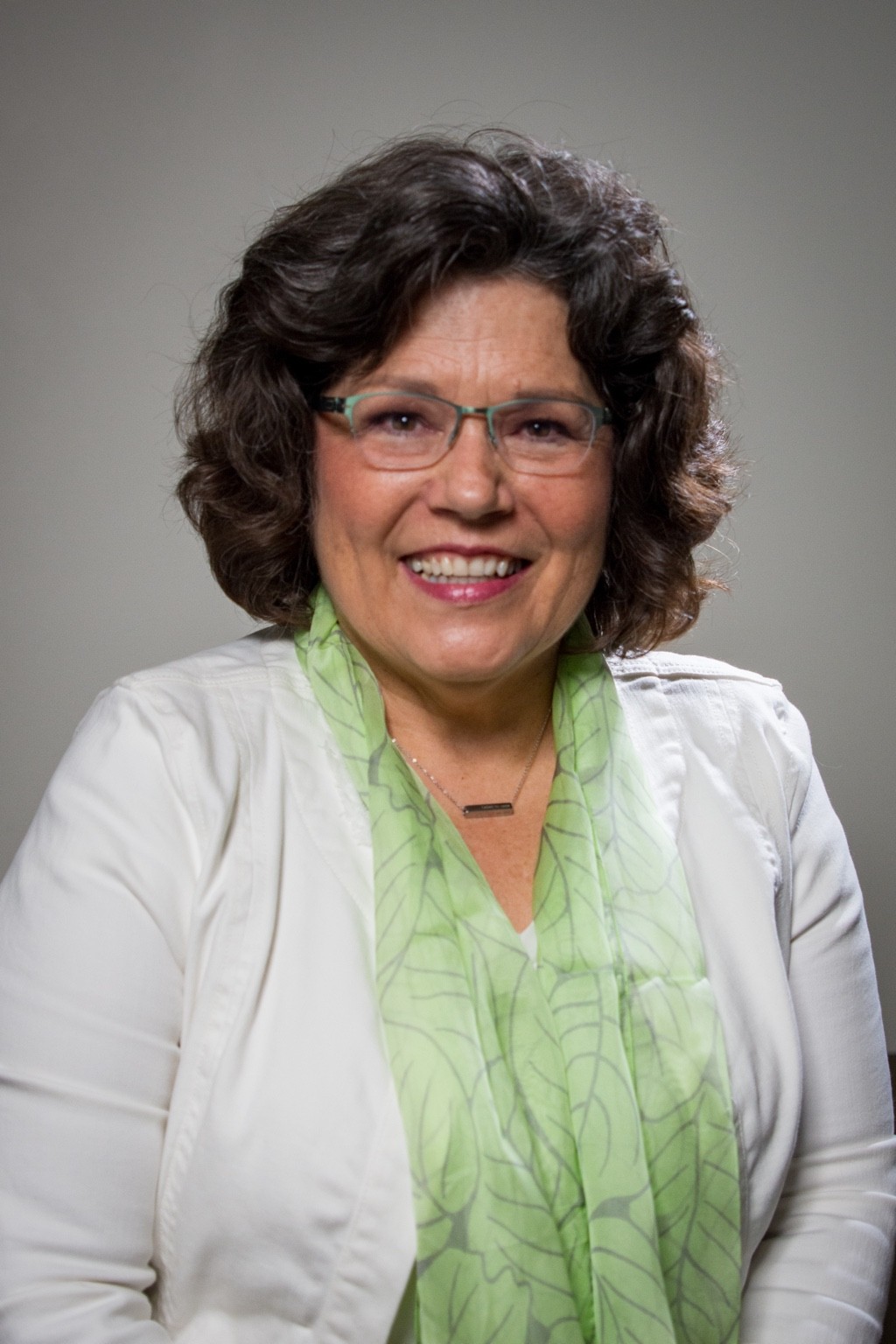
Nancy Harbron
Ceramic artist and narrative relief sculptor exploring biblical stories through the expressive possibilities of clay.
My practice grew from many years of creating functional pottery into an increasingly sculptural approach in which the surface of clay became a place for storytelling.
Biography
From vessel to narrative.
Nancy Harbron is a ceramic artist and narrative relief sculptor whose work explores biblical stories through the expressive possibilities of clay. Her practice grew from many years of creating functional pottery into an increasingly sculptural approach in which the surface of the vessel became a place for storytelling.
Her understanding of clay was also shaped by the biblical image of God as the Potter and humanity as the work of His hands (Isaiah 64:8; Ephesians 2:10). Using a portable potter’s wheel, she taught about “God, the Master Potter” at retreats, seminars, conferences, church services, and during mission work in Uganda and Rwanda. That ministry of teaching through clay eventually led her to carve biblical narratives into vessels and, later, to create large-scale narrative reliefs.
Over time, narrative moved from the surface of her pottery to the center of her artistic practice. Working in hand-carved and modeled ceramic relief, Harbron creates dimensional scenes that invite the viewer into the emotional and spiritual experience of biblical figures.
Her work is particularly interested in moments that can easily be passed over in the reading of Scripture—the pause before an answer, the experience of being unseen, the movement from fear toward hope, and the moment when an ordinary human encounter becomes an encounter with God.
Her large-scale relief Seen in the Wilderness, based on Genesis 16, represents an important development in this body of work. The multi-panel ceramic composition depicts Hagar in the wilderness at the moment she discovers that the God of Abraham also sees her.
Her continuing work focuses on biblical narrative reliefs intended for architectural, sacred, institutional, and private settings. Rather than simply illustrating Scripture, Harbron seeks to create works that encourage viewers to remain with a story—to notice the humanity of its characters and consider its meaning in their own lives.
Nancy Harbron lives and works in Fishers, Indiana.
Stories shaped in clay
“I do not want simply to illustrate a Bible passage. I want to create a place where the viewer can enter it.”
Artist statement
Stories Shaped in Clay
I am drawn to the moments in Scripture when something is about to change.
A woman sits alone in the wilderness. Another stands at the edge of a sea she never expected to cross. Someone waits, grieves, celebrates, questions, or discovers that God has been present in circumstances where He seemed absent.
These are the moments I want to shape in clay.
My work begins with the biblical narrative, but I am especially interested in the humanity within it. I try to imagine not only what happened, but what it may have felt like to be there: the weight of a body exhausted from traveling, the position of a hand when someone is afraid, the distance between two people, the landscape surrounding them, or the expression that might accompany the realization that God has seen and heard.
Clay is particularly suited to telling these stories. It begins as earth—responsive to the smallest pressure of the hand—and yet after fire it can endure for generations. In relief sculpture, light becomes part of the storytelling. As light moves across the surface, faces, gestures, folds of clothing, rocks, trees, water, and distant landscapes emerge and recede. The story changes subtly as the viewer moves before it.
I do not want simply to illustrate a Bible passage. I want to create a place where the viewer can enter it.
My hope is that someone encountering one of my reliefs will pause long enough to see the familiar story differently—to recognize the vulnerability of the people within it, to consider the presence of God within their circumstances, and perhaps to recognize something of their own story there as well.
For me, the process of shaping clay is ultimately an act of attention: attention to Scripture, to the human experience within it, and to the God who sees people in places where they sometimes believe they have been forgotten.
Explore the work